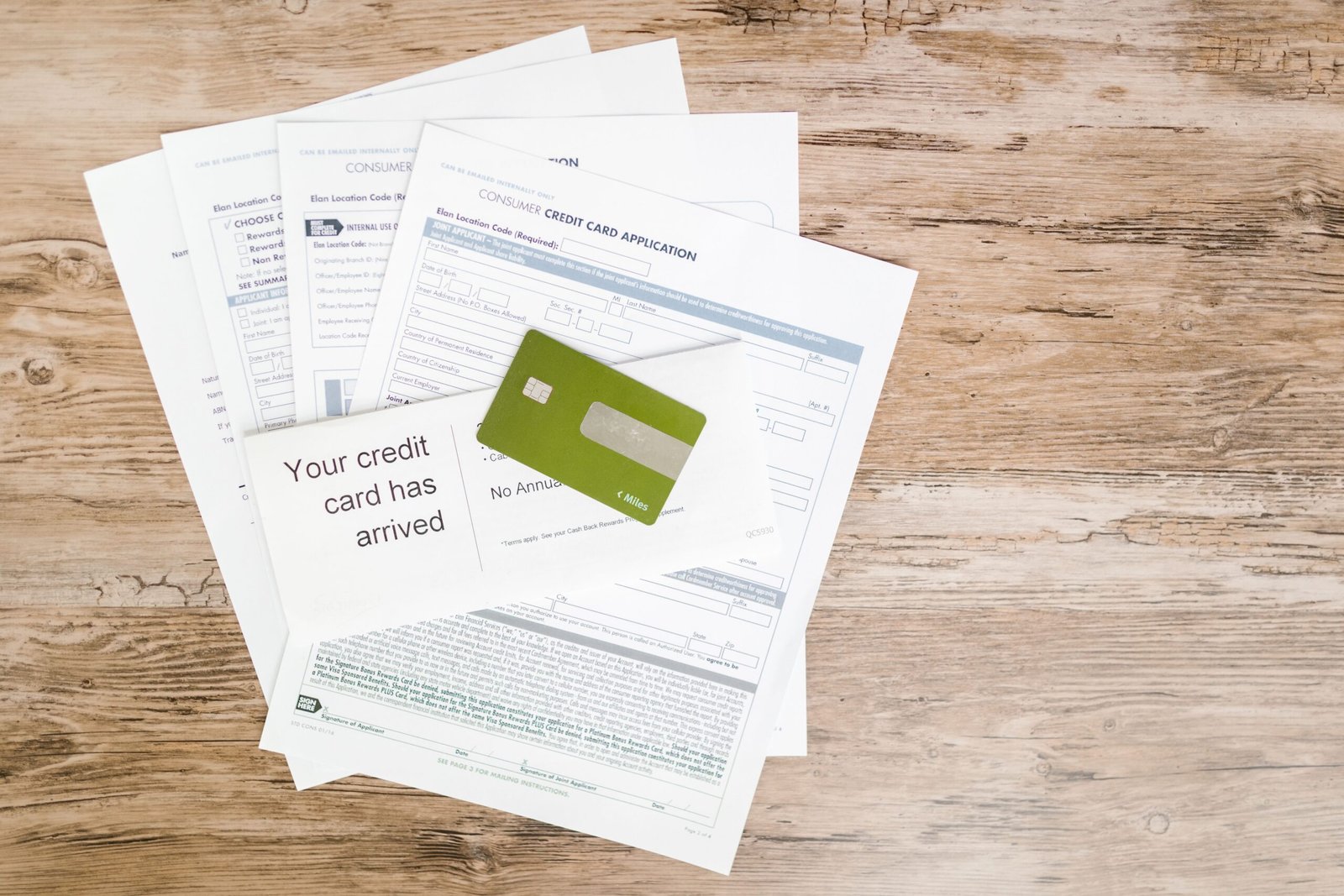
If you’ve never borrowed money, you face an odd problem. Lenders want to see a track record before they’ll lend, but you can’t build a track record without borrowing. The way out is to start small, in a controlled way, and let a few months of on-time payments do the work.
The short version: open one account that reports to the credit bureaus, use it lightly, pay it on time every month, and wait. Within roughly six months you should have a score, and within a year or two you can have a solid one. Everything else in this guide is detail on how to do that safely and what to avoid.
This guide focuses on the United States and the FICO scoring model. Other countries have different systems, and credit history generally doesn’t carry across borders automatically, so check the rules where you live. This is general education, not financial advice.
Why Having No Credit History Is a Problem
Having no history isn’t the same as having bad credit, but it can cause similar headaches: loan rejections, higher deposits for utilities or phone plans, and trouble renting.
It’s also common. The Consumer Financial Protection Bureau reported in 2015 that 26 million Americans are “credit invisible,” meaning one in ten adults has no credit history with any of the three nationwide credit reporting companies. An additional group has records too thin or too old to generate a score. That figure comes from a 2015 study, so current numbers may differ, but the underlying issue hasn’t changed. consumer finance
The CFPB also warns that people outside the system often end up using high-cost loans that aren’t reported to credit reporting agencies and do nothing to build on their credit history. That’s a double penalty: you pay more and gain nothing toward a score. payments
How Long Does It Take to Get a Score?
For a FICO score, you need some patience. Capital One’s guide explains that to establish a FICO score, you need at least one credit account reporting to one of the major credit bureaus for at least six months. Utah State University Extension says similarly that most reporting bureaus suggest it takes at least six months of on-time payments to generate a FICO score. capitalone
So the first milestone is simple: get an account open and reporting as soon as possible, because the clock doesn’t start until you do. Other scoring models may generate scores sooner, but because many lenders use FICO, plan around six months.
The Main Ways to Start Building Credit
There are three core routes. They aren’t mutually exclusive, and many people combine them.
1. A secured credit card
A secured card works like a normal credit card, but you put down a refundable deposit that acts as your credit limit. USU Extension describes it this way: you deposit money into a savings account as collateral, and the card looks like and can be used just like a regular credit card. Because the issuer holds your deposit, it takes less risk and is more willing to approve people with no history. usu
Capital One notes that using a secured card responsibly can help you build credit, as long as the account is reported to at least one of the three major credit bureaus, and that after demonstrating responsible use over time, some issuers may let you upgrade to an unsecured card. capitalonecapitalone
What to check before applying:
- Reporting. Confirm the issuer reports to all three bureaus. If it doesn’t report, it won’t build your history.
- Fees. Look at annual fees, application fees, and monthly fees. Some secured cards charge very little, others quite a lot.
- Deposit. Know the minimum and whether it’s refunded when you close the account or graduate to an unsecured card.
- Interest rate. It matters only if you carry a balance, which you shouldn’t plan to do.
A secured card is a good default choice because you own the account, and it builds history on your own name.
2. A credit-builder loan
This is a loan in reverse. Instead of receiving money upfront, the lender holds it for you. The Capital One guide says that with a credit-builder loan, the lender deposits the loan amount into a locked savings account. You make monthly payments, the lender reports them, and once the loan is paid off, you receive the money, sometimes minus interest and fees. capitalone
They’re typically offered by credit unions and community banks. U.S. News reports that credit-builder loans typically range from $300 to $1,000, and terms usually run from six months to two years. Compare costs, since interest and fees reduce what you eventually receive. wtop
A credit-builder loan also adds an installment account to your file. That helps with credit mix, and it forces you to save. It may suit you if you don’t want a credit card or if you want to add a second kind of account later.
3. Becoming an authorized user
A family member or trusted friend can add you to their credit card account. USU Extension explains that doing so adds that card’s payment history to your credit files, so you’ll want a primary user with a long history of paying on time. You may not even need to use the card. usu
This can be the fastest route, but it has caveats:
- The issuer has to report authorized users. USU advises asking the primary cardholder to find out whether the card issuer reports authorized-user activity to the credit bureaus. usu
- Their habits become your record. A missed payment or a maxed-out balance on their account can show up on your report too.
- It may carry less weight. Some lenders discount authorized-user accounts when reviewing applications manually, so it’s best treated as a complement to an account in your own name.
Only do this with someone whose finances you trust, and agree in advance on how the card will (or won’t) be used.
Other Options Worth Knowing About
- Student cards. If you’re a student, some issuers offer starter cards with lenient approval criteria. Compare fees and rates.
- Store cards. Retail cards can be easier to get, but they often carry high interest rates and may only work at that store. Capital One lists them as another way to build a credit history, but they’re usually better as a supplement than a first choice. ipsnews
- Rent reporting. Some services report rent payments to the bureaus. Availability, cost, and score impact vary, so check whether the service reports to the bureaus you care about and whether it charges fees.
- A co-signer. Someone with good credit can co-sign a loan or card. This puts them on the hook if you miss payments, so it’s a serious favor.
- What doesn’t work. Prepaid cards and debit cards don’t build credit because they don’t involve borrowing. CNBC’s coverage of the credit-invisible problem notes that prepaid card transactions do not help a consumer build a credit history. Payday loans and similar products usually don’t report on-time payments either. CNBC
A Simple First-Year Plan
Month 0: Choose and open one account. For most people, a secured card with a modest deposit is the simplest start. If a family member offers authorized-user status on a well-managed card, you can do both.
Months 1 to 6: Use it lightly and pay on time. Put one small recurring expense on the card, such as a streaming service or a phone bill. Set up autopay for the full statement balance so you never miss a payment or pay interest. Keep the balance low relative to your limit.
Around month 6: Check for your first score. Pull your free credit reports and confirm the account appears and the information is right. The official source is annualcreditreport.com. Some banks and card issuers also provide a free score.
Months 6 to 12: Keep the habit going. Don’t open a bunch of new accounts. If your issuer offers a review for upgrading to an unsecured card, take it, but keep the original account open if it has no annual fee, since account age helps your history.
After a year: Consider adding a second type of account. A credit-builder loan, or, later, a regular installment loan, can improve your mix, though credit mix is a small factor. Only borrow what you need.
The Habits That Matter Most
According to myFICO, payment history makes up 35% of a FICO score, and amounts owed make up 30%. Those two factors are where a beginner’s effort should go. skimmy
Pay on time, every time. One missed payment can set back a thin file considerably, because there isn’t much positive history to offset it. Autopay is the easiest protection.
Keep utilization low. Utilization compares your balances to your credit limits. MyCreditUnion.gov suggests using below 30% of your credit limits is better for your score, since using less is better. On a secured card with a 300 limit, that means keeping the reported balance under about 90, and lower is better. mycreditunion
Pay in full. You don’t need to carry a balance or pay interest to build credit. That’s a common myth. Using the card and paying the statement in full gets the same benefit at no cost.
Don’t apply for everything. Each application can create a hard inquiry, and new accounts lower your average account age. Space applications are out and only apply when you have a reason.
Check your reports. Errors are possible, and they matter more when your file is small. If you find a mistake, dispute it with both the bureau and the company that reported it.
Common Mistakes
- Choosing a card that doesn’t report. Always confirm that it reports to the bureaus before you pay a deposit.
- Overspending because the limit feels like free money. A secured card isn’t extra income.
- Missing a due date. Set autopay for at least the minimum, and ideally the full balance.
- Closing the first card too early. Your oldest account is the foundation of your credit age.
- Paying for “credit repair” you don’t need. There’s nothing to repair when you have no history. You need to build one, and you can do that yourself.
- Taking a high-fee product just to get approved. Compare costs. Some products charge enough in fees to outweigh the benefit.
Frequently Asked Questions
Can I build credit without a credit card?
Yes. A credit-builder loan, rent reporting, or a co-signed installment loan can all add history. Cards are the most common route, but they’re not the only one.
How much of a deposit do I need for a secured card?
It varies by issuer. Many require a modest minimum, and your deposit generally sets your limit. Check the terms, including whether the deposit is refundable.
Will applying for a card hurt my score if I have no score yet?
You may see a small effect from the inquiry, but with no score to lower, the more relevant issue is not applying for too many accounts at once. A single careful application is a sensible first step.
How high can my score get in the first year?
There’s no guarantee. With steady on-time payments and low utilization, many people reach a fair or good range within the first year, but results depend on your whole profile. Treat any promise of a specific number as a red flag.
I’m new to the country. Does my credit history from abroad count?
Often it doesn’t transfer automatically. You may need to start fresh with a secured card or similar product, though some lenders and services have programs for newcomers. Ask your bank what it offers.
Conclusion
Building credit from nothing doesn’t take cleverness, only a few deliberate decisions. Choose one reporting account, use it lightly, pay in full and on time, keep balances low, and give it six months to produce your first score. Add a second account only when it makes sense.
This week, pick your starting point. If you want your own account, compare two or three secured cards or credit-builder loans for fees and reporting, and confirm they report to all three bureaus. If you’re considering authorized-user status, have an honest conversation with the cardholder first. Then set up autopay the day the account opens.