There is a particular kind of nervousness that comes with buying your first stock. You have done some reading, maybe watched a few videos, and you feel reasonably prepared. Then you actually click “buy,” and a strange mix of excitement and dread washes over you, because suddenly this is not theoretical anymore. Real money is…

Author: samiullah344423
Roth IRA vs. 401(k): Which Should You Prioritize First?
If you have some money available to save for retirement and you are trying to figure out where it should go first, you have probably run into this exact question. Both a Roth IRA and a 401(k) get recommended constantly, and for good reason, but figuring out which one deserves your attention first can feel…
“Index Funds Explained Like You’re Not a Finance Major”
Index Funds Explained Like You’re Not a Finance Major If the words “index fund” make your eyes glaze over, you are in good company. Investing has a way of dressing up fairly simple ideas in intimidating language, and index funds are a perfect example. The concept itself is refreshingly straightforward once you strip away the…
Sinking Funds: The Underrated Trick for Irregular Expenses
If you have ever been caught off guard by a car repair, a holiday season, or an annual insurance premium, you already understand the problem that sinking funds solve. These are not emergencies in the traditional sense. You know they are coming. You just do not know exactly when, or you forget to plan for…
High-Yield Savings Accounts: What the Interest Rate Actually Means for You
If you have ever glanced at your bank statement and wondered why your savings account barely grows, you are not alone. Many people keep their money in accounts that pay almost nothing in interest, simply because that is where they opened an account years ago and never thought to look elsewhere. High-yield savings accounts (HYSAs)…
How Much Emergency Fund Do You Really Need? (It’s Not Always 6 Months)
The “six months of expenses” rule gets repeated so often that it’s practically become the default definition of financial responsibility. Ask most people what an emergency fund should look like, and they’ll cite that number back to you almost automatically, even if they’ve never actually calculated it for their own situation or thought about whether…
Building payoff tables across different balance amounts.
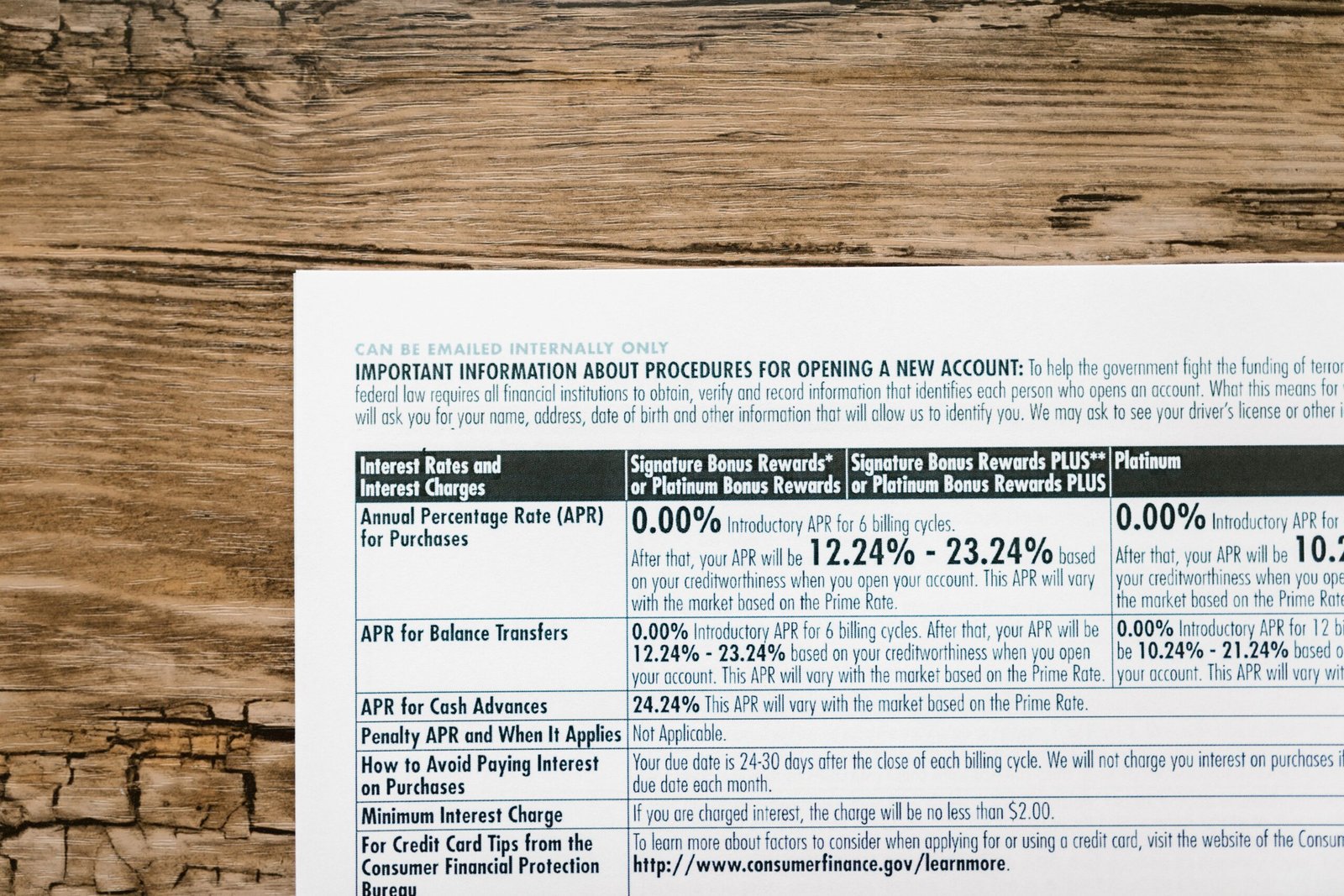
Credit Card Debt at 24% APR: A Realistic Payoff Timeline Twenty-four percent APR sounds like a number you can mentally file away and deal with later. It doesn’t sound urgent the way “you owe $8,000” sounds urgent. But 24% compounding monthly on a revolving balance is one of the most quietly destructive numbers in personal…
How to Negotiate Medical Debt (Scripts You Can Actually Use)
Medical debt behaves differently than almost any other kind of debt, and most people don’t realize that until they’re staring at a bill that doesn’t match what they expected. Unlike a credit card balance, medical bills are often inflated from a starting “list price” that almost nobody actually pays in full, negotiated down constantly by…
Snowball vs. Avalanche: Which Debt Payoff Method Actually Fits Your Personality
If you’ve spent any time reading about paying off debt, you’ve run into these two methods before. The debt snowball, made famous by financial personalities who like round numbers and momentum, and the debt avalanche, favored by anyone who trusts math over motivation. Both work. Both have been used successfully by real people to pay…
Zero-Based Budgeting for People Who Hate Spreadsheets
Zero-based budgeting has a reputation problem. Say the phrase out loud, and most people picture a color-coded spreadsheet with forty line items, a formula-heavy tab for “miscellaneous,” and a level of upkeep that feels more like a part-time job than a money habit. That reputation isn’t entirely unfair. A lot of zero-based budgeting guides are…